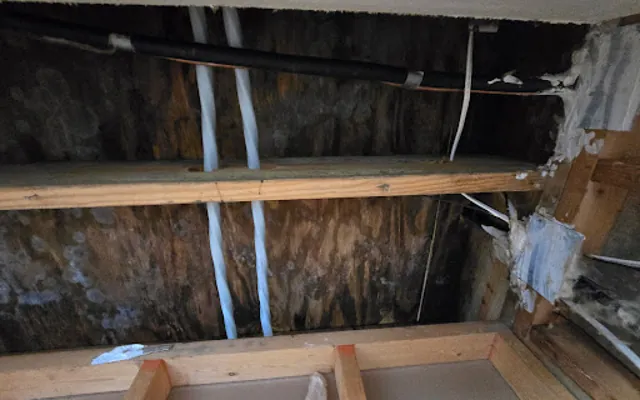
A soaked attic can rot rafters and drop stains through your ceiling within days. The IICRC-standard crews reach Torrance homes in about an hour, day or night.

Crews climb into the attic and check the roof deck, rafters, and insulation to trace the leak back to its true entry point, not just the visible stain.
Saturated insulation is bagged and removed, standing water is extracted, and affected wood surfaces are treated to stop rot and mold before drying begins.
Air movers and dehumidifiers are positioned to dry rafters, decking, and any exposed ceiling framing, with moisture readings tracked until levels are safe.
New insulation, drywall patching, and minor roof repair coordination close out the job so the attic performs the way it should again.

While help is on the way, these first steps, done only where it is safe, limit the damage and protect the insurance claim.
Shut the supply off at the source, or close the home's main valve if the source is not obvious. Stopping the flow limits the damage more than anything else.
Switch off electricity to the affected area, but only if the breaker can be reached without standing in or touching the water.
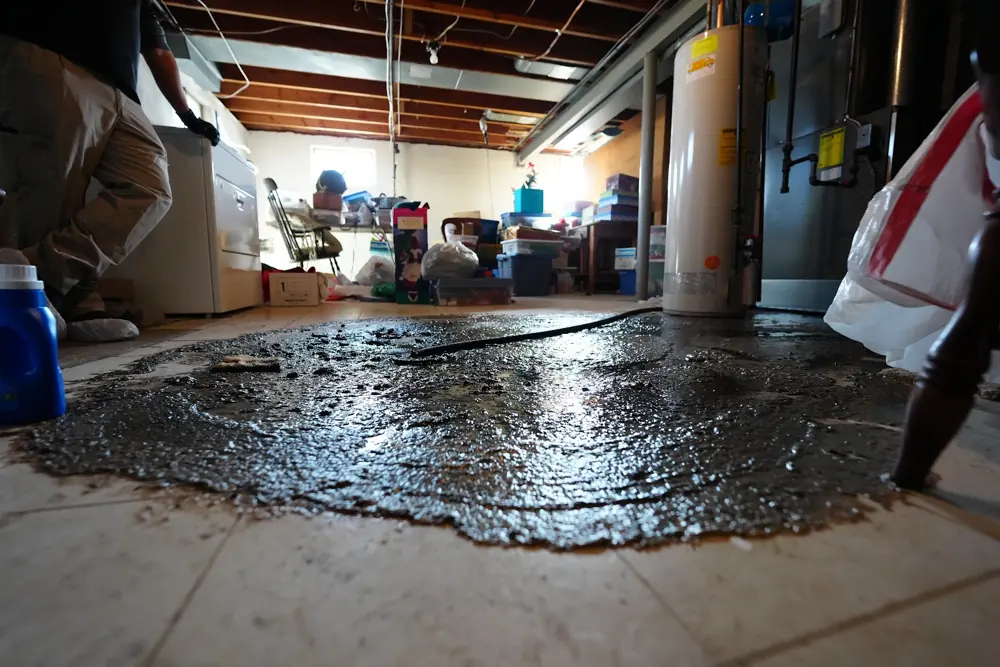
Get a crew dispatched right away. The sooner extraction and drying begin, the more flooring, drywall, and belongings can be saved.
Take photos and a short video of the water and the affected rooms before anything is moved, so the insurance claim starts strong.
Attic water damage repair in Torrance typically runs $900 to $4,500, depending on how much insulation and decking need replacing and whether ceiling drywall below the attic was also damaged. Roof repair to stop the source is usually a separate line item. Homeowner's insurance often covers sudden roof leaks and storm damage; crews document moisture readings and photos to support your claim.
Crews reach Torrance and the South Bay fast, from Old Torrance and West Torrance to Walteria, Hollywood Riviera, and nearby Redondo Beach and Carson. See the full list on the areas served across Torrance page.
See all areas servedEvery loss is photographed, measured, and logged from the first visit, so the paperwork holds up with your insurance carrier.
Technicians follow recognized IICRC drying standards and prove the work with daily moisture readings, not guesswork.
Emergency dispatch any hour of the day or night, with a real crew on the way, not a callback in the morning.
A real crew dispatched any hour, not a callback in the morning.
Trained technicians following recognized IICRC drying standards.
Truck-mounted, portable, and submersible for any size loss.
The loss is documented and billed to the carrier directly.
Look for brown ceiling stains, a musty smell, sagging insulation, or visible dark spots on rafters when you check the attic. Soft or discolored roof decking is another sign. If you notice any of these, call before insulation and framing damage spreads further.
Yes. Persistent coastal moisture condenses on cool roof sheathing overnight, especially in attics with limited airflow. Over time this dampens insulation and can grow mold on wood surfaces even though no rain ever entered the home.
Yes. Wet insulation loses its effectiveness and can harbor mold, so crews remove and dispose of saturated material and install new insulation once the attic structure is fully dry and treated.
Most policies cover sudden and accidental damage, such as a storm-driven roof leak. Gradual damage from long-term condensation or neglected maintenance is less likely to be covered. Crews document conditions carefully to support whichever claim applies.
Most Torrance attics dry within 3 to 5 days once extraction and dehumidification begin, though heavily saturated insulation or decking can take longer. Crews track moisture levels daily and stop only once readings confirm the space is safe.
Torrance crews are on call 24 hours a day, local and fast, and can be on the way within the hour.
Call (424) 370-1501