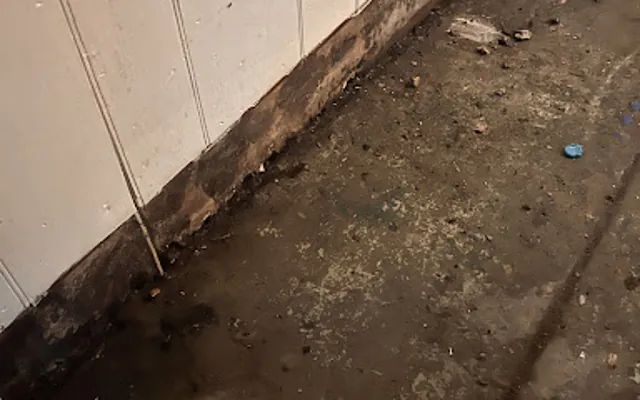
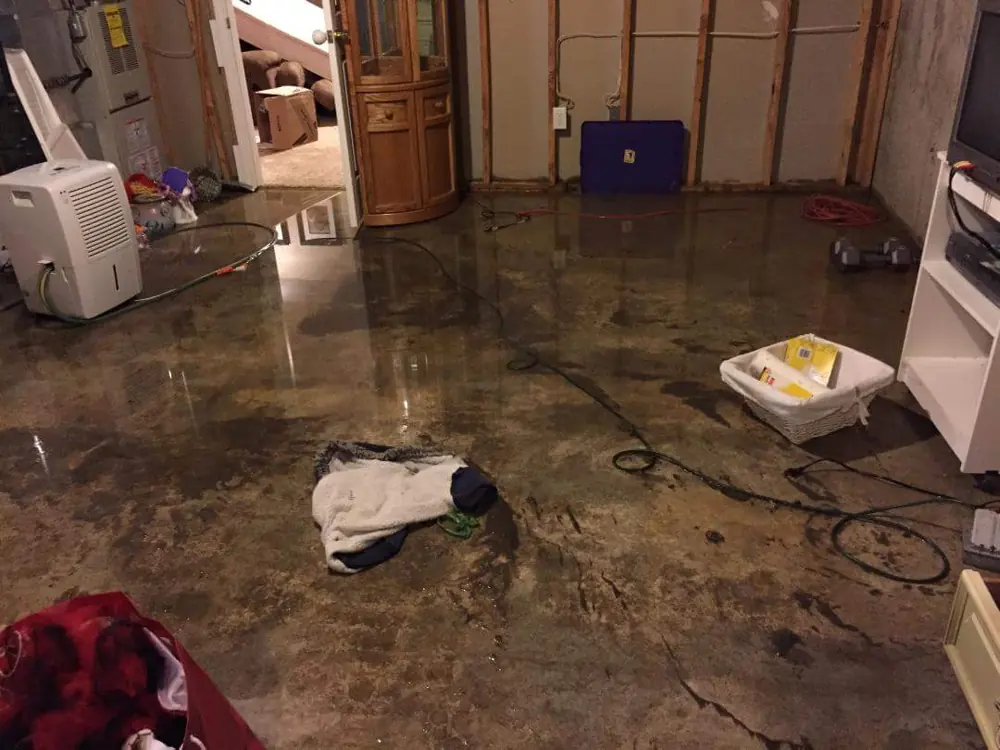
Septic systems are uncommon inside Torrance itself but still turn up on some older and outlying South Bay properties, and a backup pushes contaminated water back into drains fast. The IICRC-standard crew responds in about an hour to contain and clean it safely.

Crews isolate the affected area immediately since septic backup water carries bacteria and waste that require careful containment from the start.
Specialized extraction removes contaminated water from flooring, and any porous material that absorbed it gets evaluated for removal.
Every surface the backup touched gets cleaned and disinfected to hospital-grade standards before drying equipment goes in.
Air movers and dehumidifiers run until moisture readings confirm the space is dry, with a final check before crews call the job complete.

While help is on the way, these first steps, done only where it is safe, limit the damage and protect the insurance claim.
Shut the supply off at the source, or close the home's main valve if the source is not obvious. Stopping the flow limits the damage more than anything else.
Switch off electricity to the affected area, but only if the breaker can be reached without standing in or touching the water.
Get a crew dispatched right away. The sooner extraction and drying begin, the more flooring, drywall, and belongings can be saved.
Take photos and a short video of the water and the affected rooms before anything is moved, so the insurance claim starts strong.
Septic backup cleanup in the Torrance area typically runs higher than a standard clean-water job because of the disinfection and material removal contaminated water requires, often landing in the low thousands depending on how far it spread. Insurance coverage for septic backups varies significantly by policy, so crews recommend confirming your sewage backup coverage before the season your system is oldest and most likely to fail.
Crews reach Torrance and the South Bay fast, from Old Torrance and West Torrance to Walteria, Hollywood Riviera, and nearby Redondo Beach and Carson. See the full list on the areas served across Torrance page.
See all areas servedEvery loss is photographed, measured, and logged from the first visit, so the paperwork holds up with your insurance carrier.
Technicians follow recognized IICRC drying standards and prove the work with daily moisture readings, not guesswork.
Emergency dispatch any hour of the day or night, with a real crew on the way, not a callback in the morning.
A real crew dispatched any hour, not a callback in the morning.
Trained technicians following recognized IICRC drying standards.
Truck-mounted, portable, and submersible for any size loss.
The loss is documented and billed to the carrier directly.
The large majority of Torrance properties are on the city sewer system. Septic tanks turn up occasionally on older or outlying parcels, so a true septic backup is less common here than in rural areas but does still happen.
Yes, septic backup carries bacteria, viruses, and waste material that require specialized disinfection, not a standard mop and bucket. Crews strongly recommend professional cleanup for any septic or sewage backup.
Crews can often identify signs pointing to either during the initial assessment, though a septic technician makes the final determination. Crews focus on the water damage cleanup and coordinate with a septic specialist for the system repair.
Coverage depends heavily on your specific policy and whether you carry a sewage or septic backup endorsement. Crews document the incident thoroughly so you have what you need to file a claim either way.
As fast as possible. Contaminated water damages porous materials and creates health hazards the longer it sits, so crews treat septic and sewage backups as urgent calls with about an hour response across the area.
Torrance crews are on call 24 hours a day, local and fast, and can be on the way within the hour.
Call (424) 370-1501